
CowdemyRumenFIG. 03Applied11 min
Physically effective fiber
Particle size is what makes a high-energy diet still chew. Learn the sieves, the mat, and the ration the cow actually eats.
SharePhysically effective fiber
Compare
NDF vs physically effective fiber
NDF
- Lab chemistry of the plant cell wall
- Can be high in a finely ground diet
- Does not guarantee chewing
Physically effective fiber
- Physical form that makes a cow chew
- Can float as a rumen mat
- Measured on the farm with sieves
The sheet can show NDF and still fail the mat.
Field notes on this focus
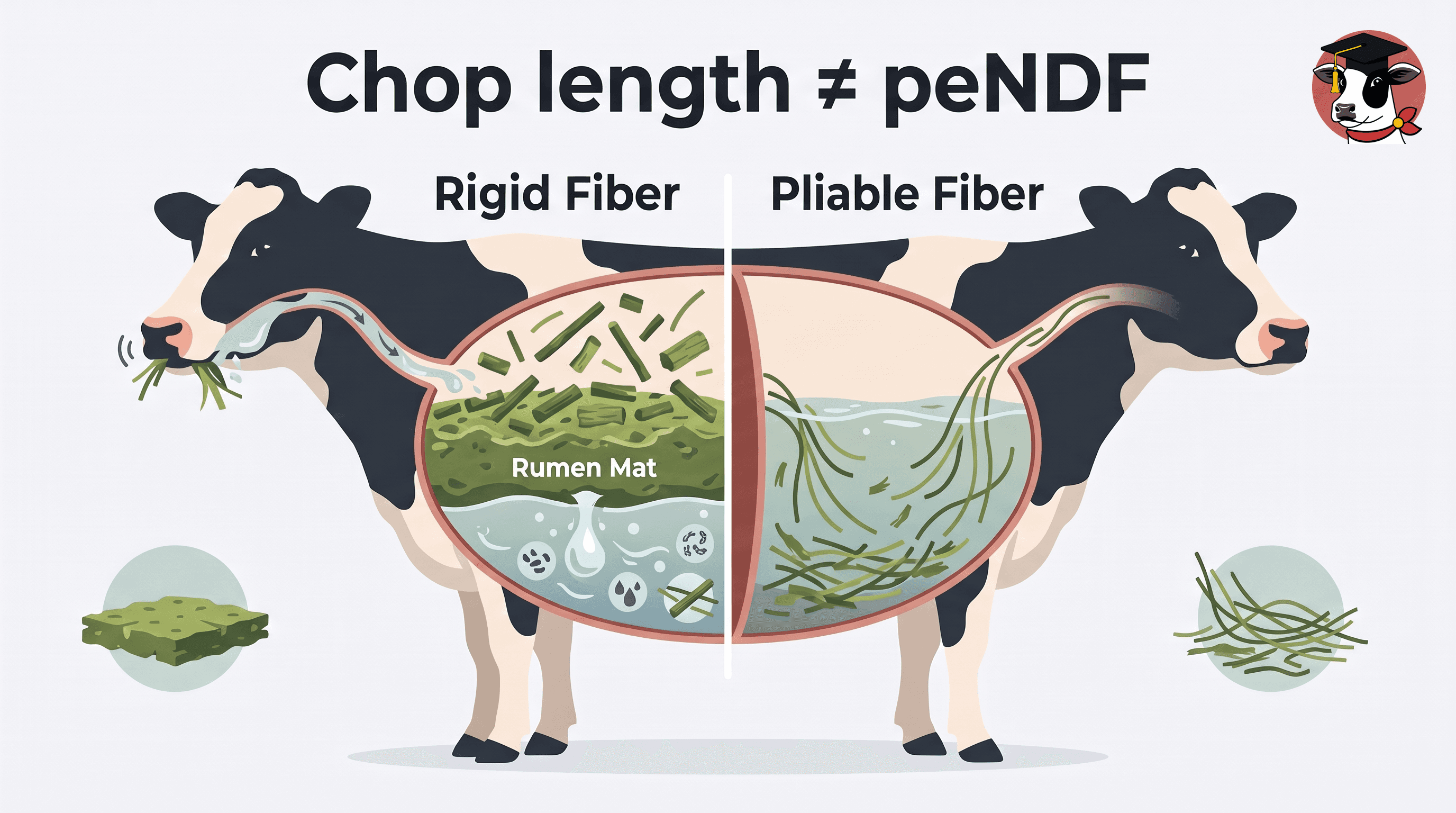
- Note 01Chop length is not peNDFChop length is a harvester setting; peNDF is the fiber structure that actually reaches the rumen after moisture, processing, mixing, and sorting.Knowledge level in this topic: Advanced. Mechanism and stacked risk in this topic — assumes the first-pass frame.3 min · 2026-09-10
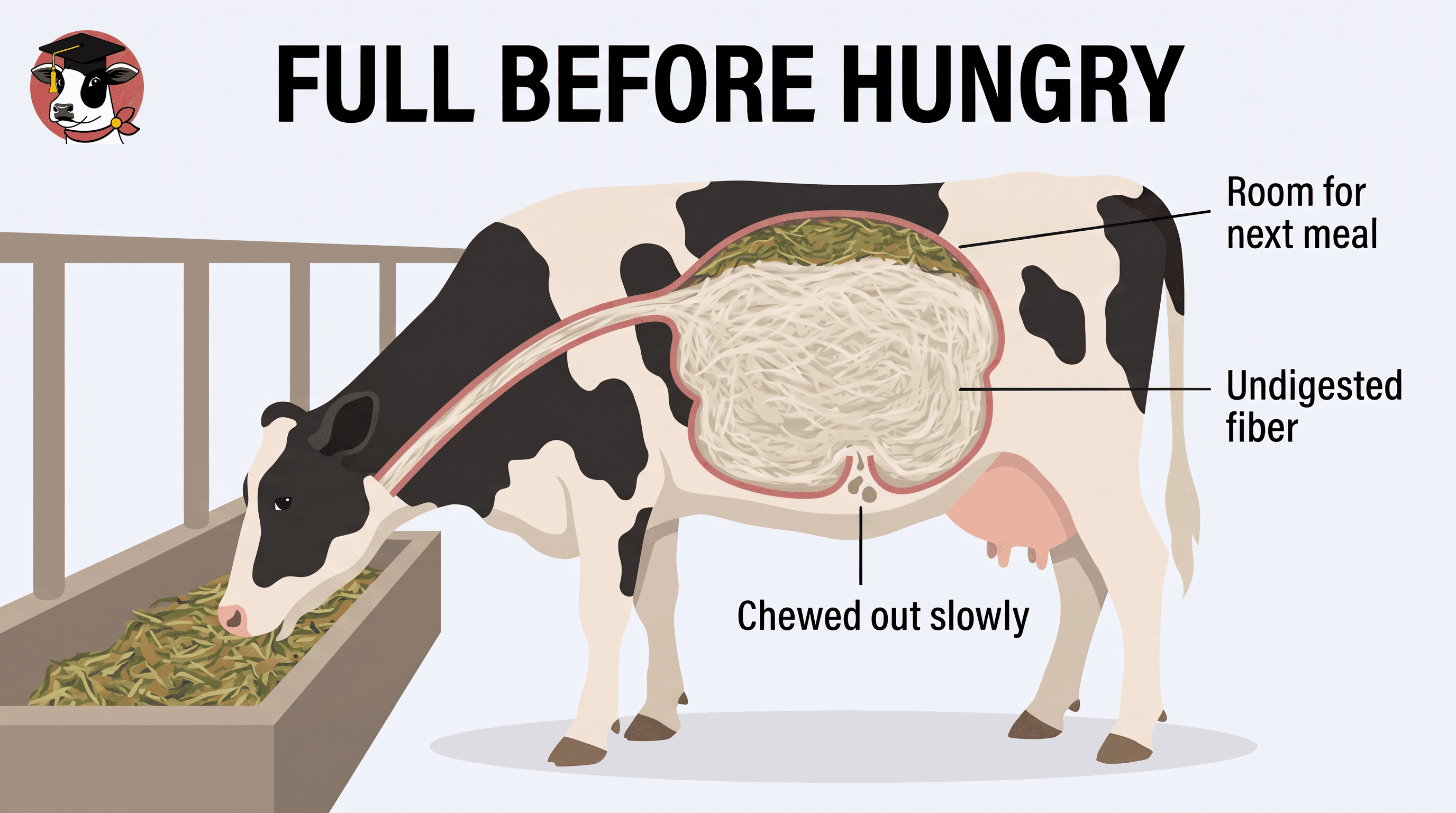
- Note 02uNDF240 Sets the Fill LimitNDF tells you how much cell wall a forage carries. uNDF240 estimates how much of it the rumen cannot digest, and that fraction takes up space until it is chewed small enough to leave. In high-producing cows, it can cap how much they eat.Knowledge level in this topic: Intermediate. Barn-side working knowledge in this topic: checks, pairing, and what to do next.5 min · 2026-09-25
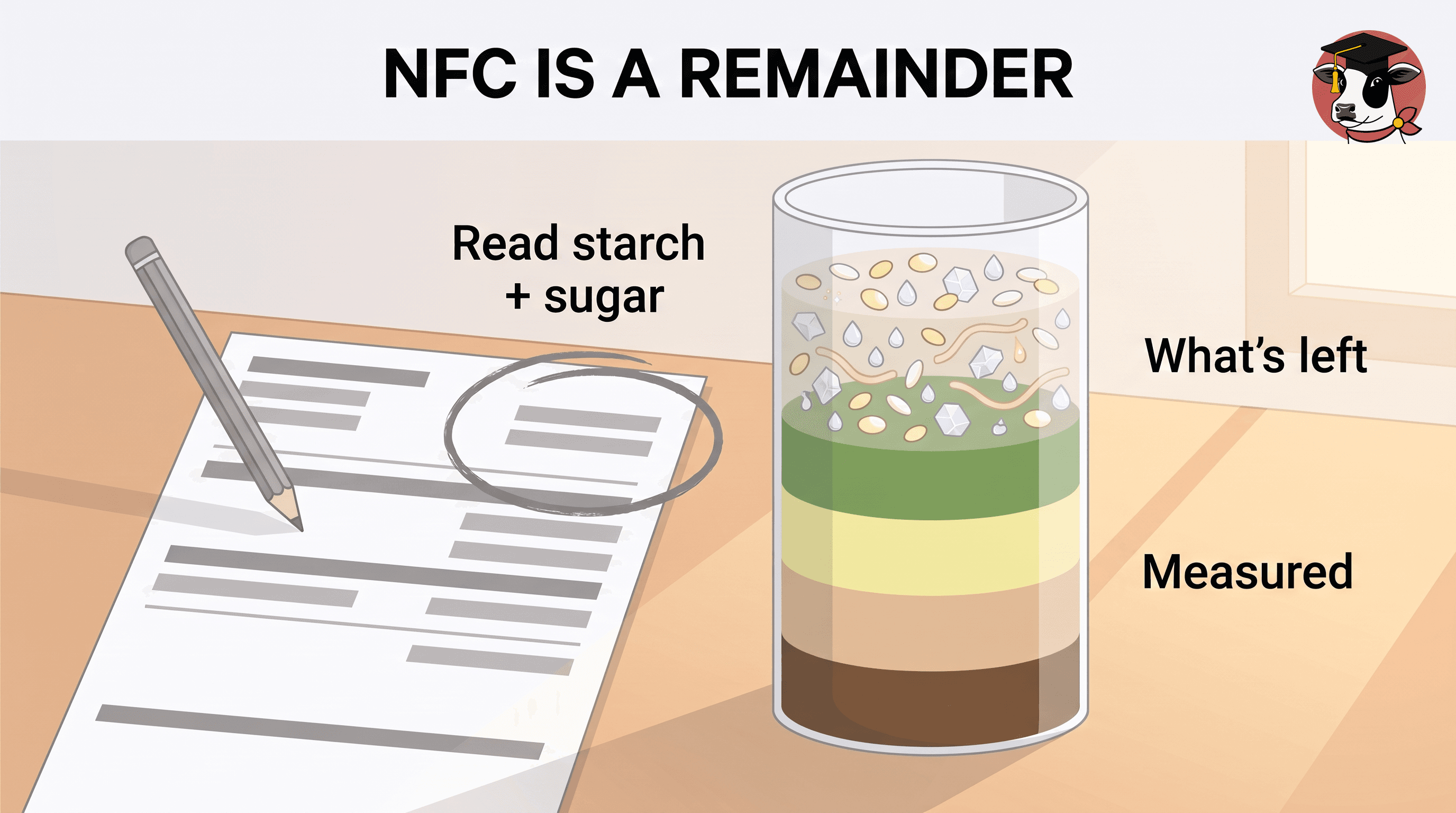
- Note 03NFC Is a RemainderMost carbohydrate lines on a feed report come from a lab assay. NFC does not. It is what is left after NDF, protein, fat and ash are subtracted from 100, so it carries their errors, and it holds a lot more than starch.Knowledge level in this topic: Intermediate. Barn-side working knowledge in this topic: checks, pairing, and what to do next.5 min · 2026-09-25
Also touches this focus
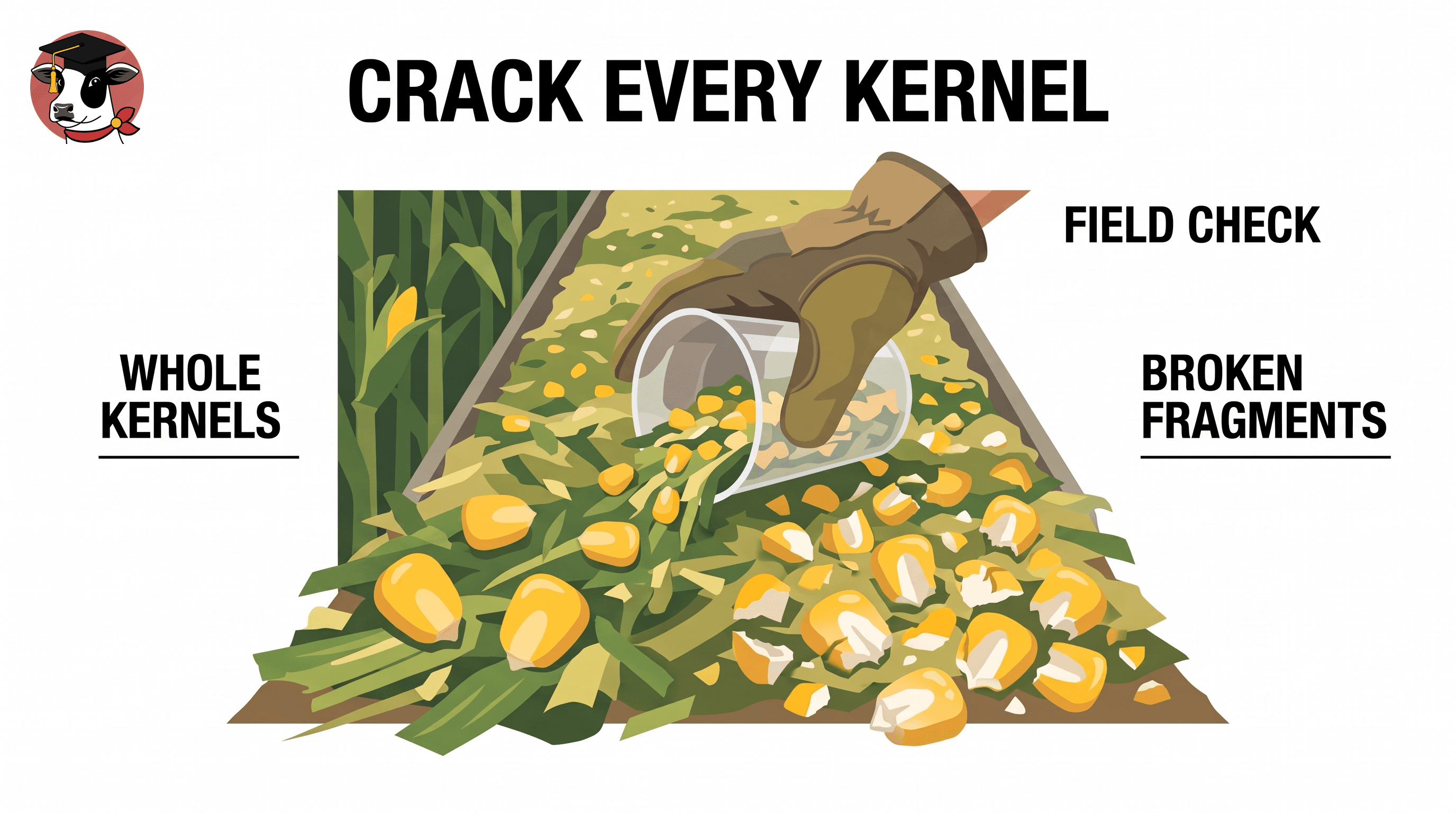
- Note 01Kernel Processing Unlocks the StarchCorn silage starch is only worth what the rumen can reach. A whole or merely cracked kernel keeps it locked away, and harvest is the only time the processor can still fix that.Knowledge level in this topic: Intermediate. Barn-side working knowledge in this topic: checks, pairing, and what to do next.3 min · 2026-09-25
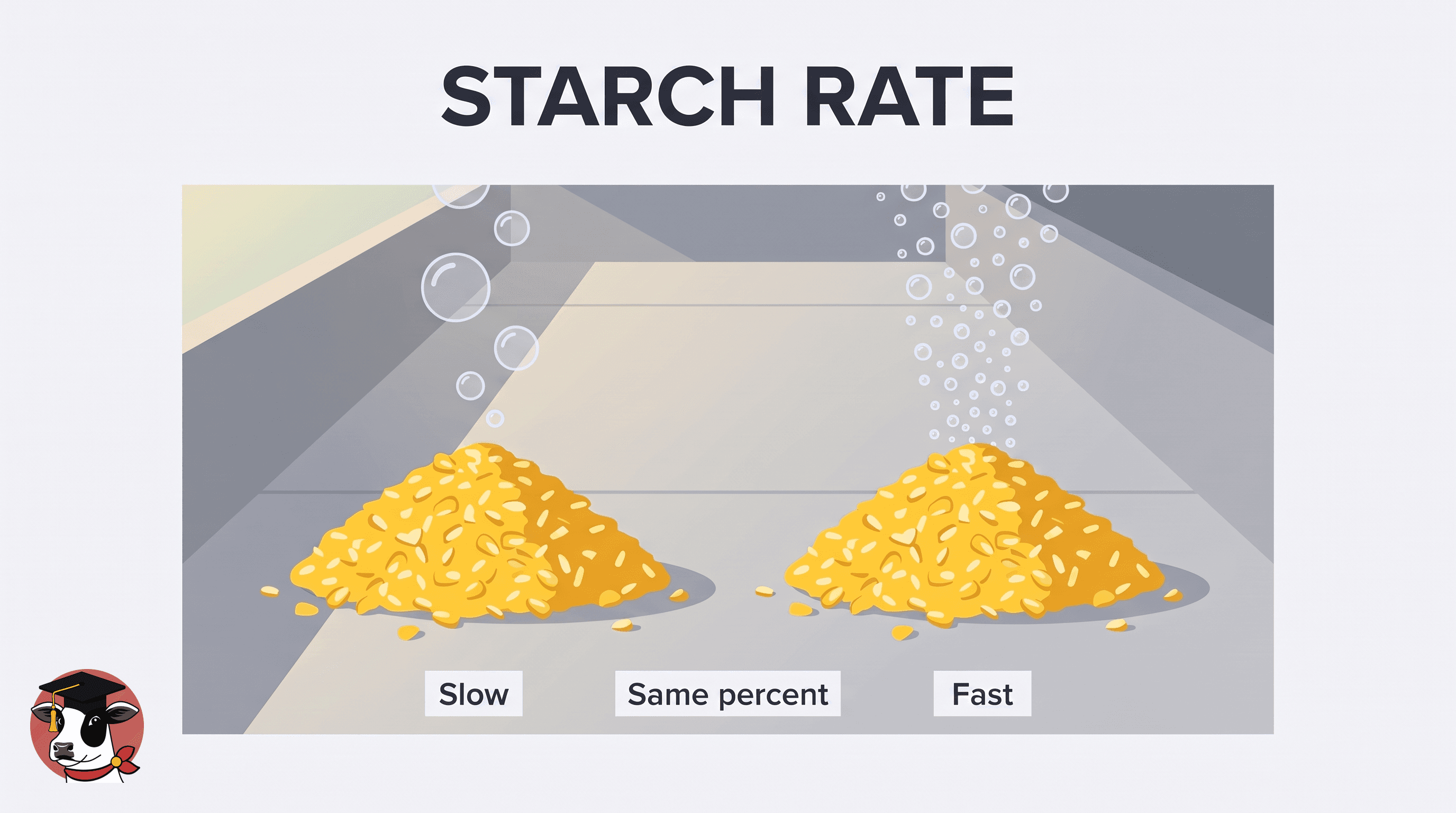
- Note 02Starch Rate, Not Starch PercentTwo rations can print the same starch percentage and still ferment at very different speeds. Grain type, processing and time in the silo set that speed, and the fall switch to new-crop corn silage changes it twice: once at the switch and again over the winter.Knowledge level in this topic: Intermediate. Barn-side working knowledge in this topic: checks, pairing, and what to do next.3 min · 2026-09-26
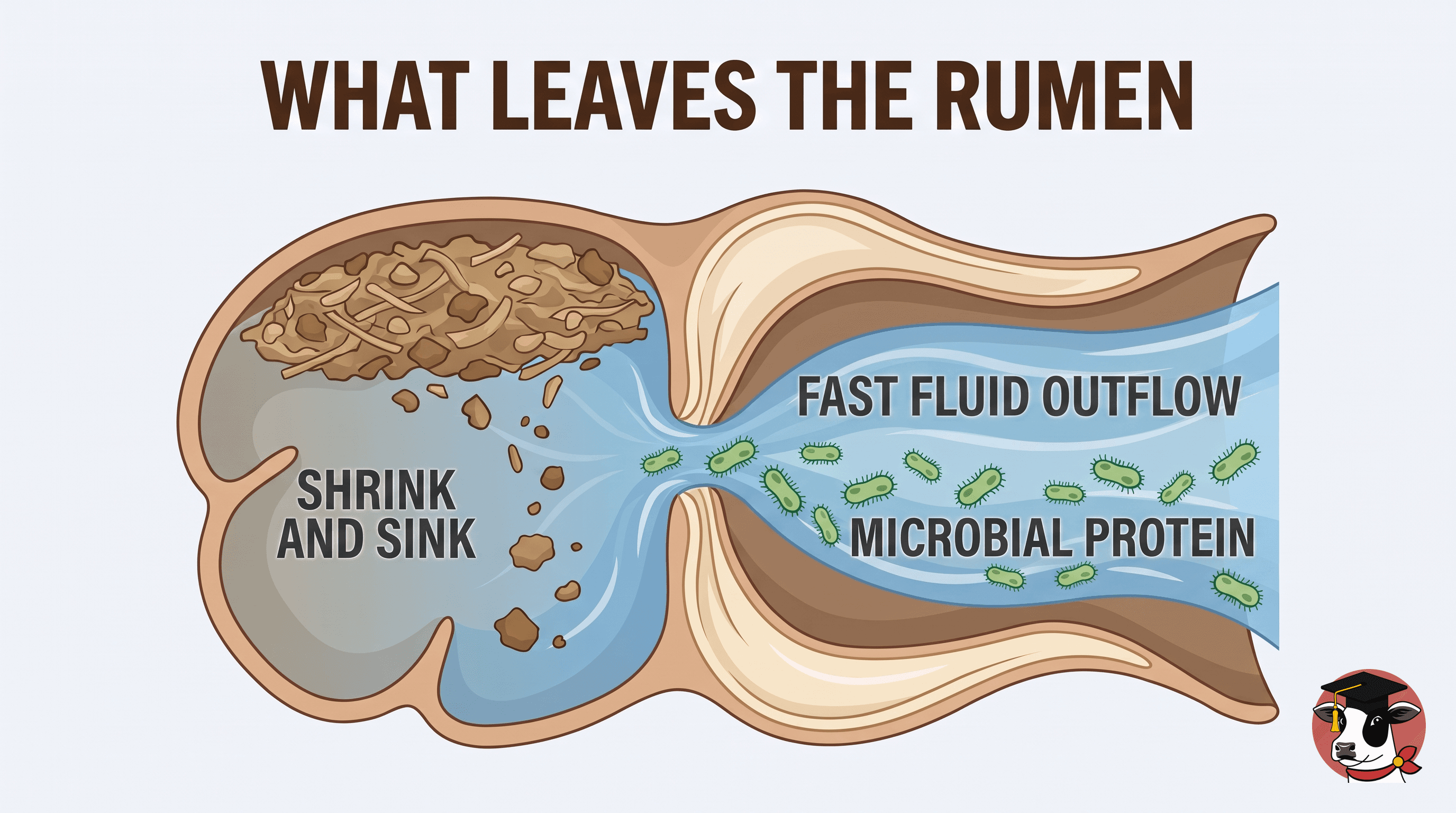
- Note 03What Leaves the RumenLiquid and solid digesta leave the rumen on different clocks. Fast fluid outflow harvests microbial protein, while fiber particles leave only after they shrink and sink.Knowledge level in this topic: Intermediate. Barn-side working knowledge in this topic: checks, pairing, and what to do next.3 min · 2026-09-22
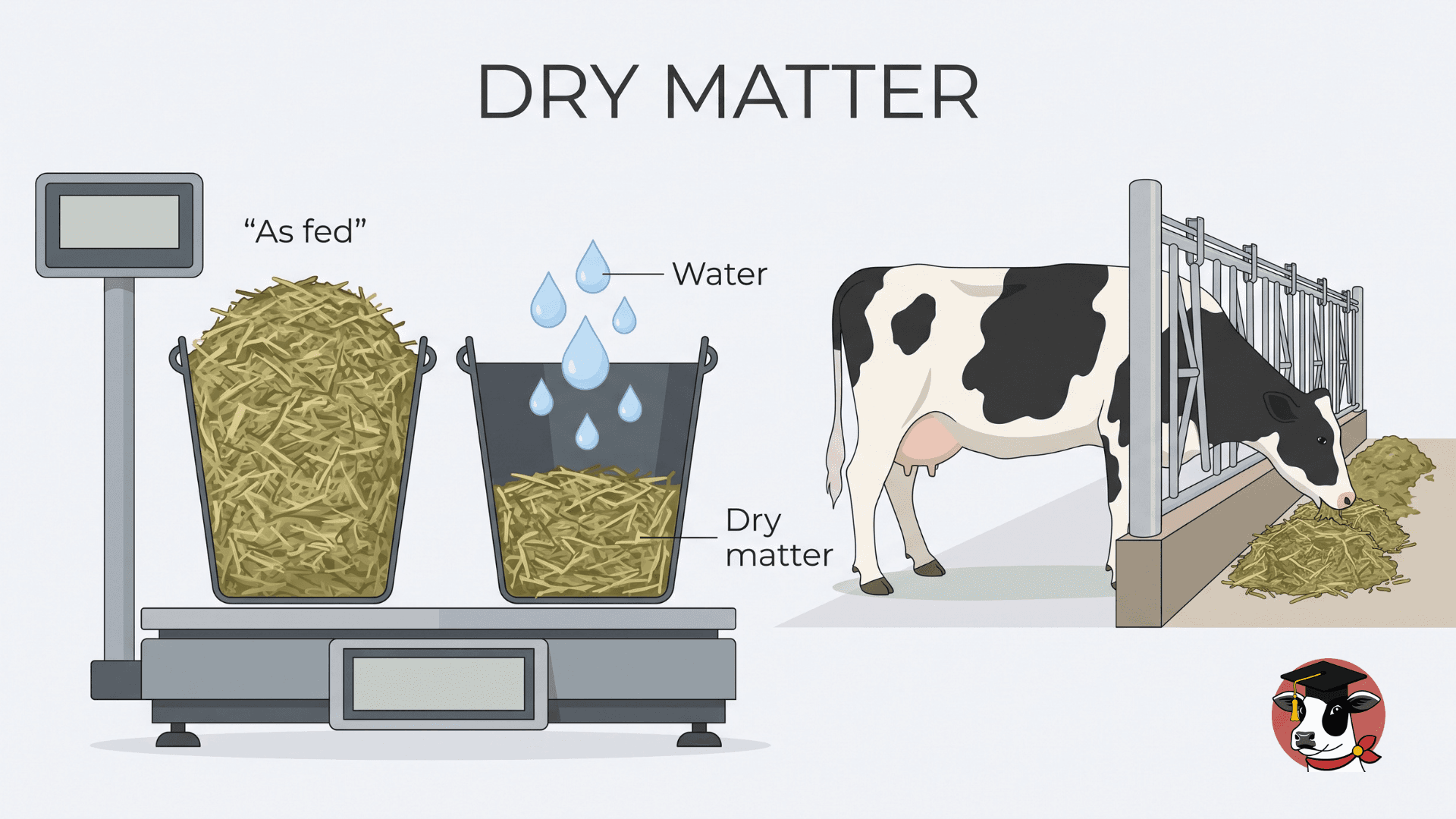
- Note 04Dry Matter and As Fed Are Different JobsScales weigh feed with its water, rations are balanced on dry matter, and a wetter or drier silage means the same scale weight no longer delivers the same dry matter.Knowledge level in this topic: Basic. First-pass in this topic — useful even if you already know another area well.3 min · 2026-10-04
Quick check
Q 01 / 01
What does physically effective fiber do that NDF on paper may not?
Sources
- Penn State Particle Separator — Penn State Extension
- Methods Used to Measure Forage and Ration Particle Size — Penn State Extension
- From Feed to Milk: Understanding Rumen Function — Penn State Extension
Plate credit
Stomach figure adapted from the public-domain 1905 plate Interior of a cow (The Household Physician; Wikimedia Commons) and standard ruminant-stomach teaching figures. Educational only.
Not a veterinary diagnosis, prescription, or ration formula.